
Lucky Ball is a fast, number‑driven arcade title that blends the thrill of random draws with the visual appeal of modern ball‑based games. In this Lucky Ball review, we walk through how it typically works, what the odds and payouts feel like, and how it fits alongside other Asian iGaming arcade staples like Bingo, Mini Bingo, Keno, Lotto, and Number Game.
As part of Asian iGaming’s arcade and number game lineup, this guide focuses on giving clear, honest context so you can decide whether Lucky Ball deserves a place in your regular rotation. We also point you to related arcade titles like Plinko, Peg Drop, Drop Ball, and Crash Dice to help you compare risk, pace, and style.
Introduction
Lucky Ball, in its casino and arcade context, usually refers to a game where numbered balls (physical or virtual) are drawn or dropped, and your goal is to predict where they land or which numbers will appear. Depending on the implementation, it can feel like a hybrid of keno, bingo, and physics-based arcade machines, but the core is always random ball outcomes backed by an RNG or mechanical draw.
On Asian-focused platforms, Lucky Ball often sits in the same “Arcade & Number” section as Keno, Number Game, and Lotto, giving players a ball‑draw alternative to grid‑style tickets and pure number pickers.
In this Lucky Ball review, we will cover:
- How Lucky Ball typically works and the rules most variants share
- What the gameplay experience feels like on desktop and mobile
- How odds, payouts, and volatility compare with other arcade and number games
- Practical tips for managing your bankroll and expectations
- Pros and cons versus alternatives like Keno, Number Game, Plinko, and Crash Dice
- Useful external resources about ball‑draw games and RNG fairness
How Lucky Ball Works
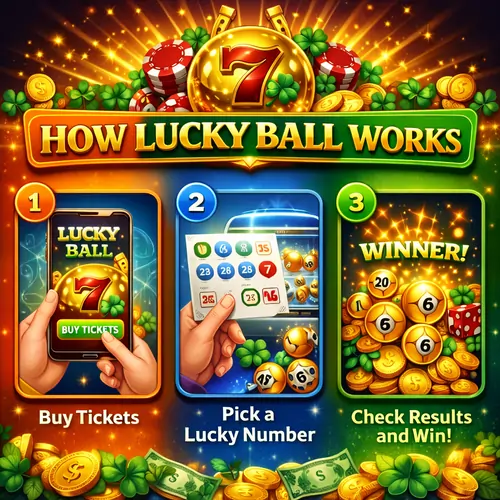
Because “Lucky Ball” is a format rather than a single unified game, you will see several variations, but they largely fall into two styles: pure number‑draw games and physics/skill-style arcade machines.
Number-draw / card-style Lucky Ball
In RNG‑driven or live‑draw formats, Lucky Ball behaves like a compact bingo/keno hybrid:
- A ball machine or virtual RNG selects a series of numbered balls from a defined range (for example 1–60).
- You have a card or grid where certain numbers or patterns pay out when completed, similar to bingo lines.
- Some formats apply multipliers to specific lines, patterns, or global hits to boost potential winnings.
This style feels like a cousin to Bingo and Mini Bingo, but with more emphasis on multipliers, line completions, or “lucky” bonus balls that can increase your payout.
Arcade / physics-style Lucky Ball
In pure arcades, Lucky Ball can be a redemption or prize game where you aim or roll balls into scoring zones:
- You insert credits, start the round, and control a lever, wheel, or launcher.
- Balls move through a physical playfield, dropping into holes, cups, or barrels with different point values.
- Your score converts into tickets or prizes, just like traditional redemption machines.
Online and mobile Lucky Ball games sometimes mimic this physics feel virtually, using 3D engines or sand/ball puzzles similar to “Lucky balls” puzzle apps.
On Asian iGaming, the Lucky Ball concept typically leans into the number/ball‑draw experience, pairing well with Keno and Number Game rather than purely skill‑based machines.
Gameplay Experience
From the player’s point of view, Lucky Ball stands out for its blend of visual ball movement and straightforward, RNG‑driven outcomes.
Interface and usability
A good Lucky Ball interface does a few things clearly:
- Shows the ball range and how many balls will be drawn each round.
- Highlights your active card, grid, or betting areas before the draw starts.
- Displays multipliers, line bonuses, or special “lucky ball” effects in a simple, readable way.
- Animates ball draws or drops smoothly, so you can follow which results are landing and how they affect your card.
Compared to pure text‑based RNG games, watching balls roll, bounce, or spin adds a satisfying visual layer, similar to the appeal of Plinko, Peg Drop, and Drop Ball.
Mobile-friendly design
In 2026, most number and ball games are designed to be mobile‑first or mobile‑friendly. Lucky Ball benefits from:
- Tap‑friendly controls for selecting cards, bets, or numbers.
- Vertical layouts that show the ball machine, your card, and payout info on one screen.
- Lightweight but satisfying ball animations that do not overload your device.
- Optional haptic feedback when balls land or when you complete a line or trigger a lucky multiplier.
This type of UX mirrors modern puzzle and ball apps such as 3D lucky ball simulators, where physics and clean visuals keep you engaged in short sessions.
Session flow with other arcade games
On a site like Asian iGaming, a typical arcade session might move like this:
- Start with a few relaxed rounds of Bingo or Mini Bingo.
- Switch into Lucky Ball for more visual, ball‑based draws with multipliers.
- Move over to number‑grid titles like Keno or Number Game for pure RNG betting.
- Finish with physics‑heavy arcade games such as Plinko, Peg Drop, Drop Ball, or high‑risk Crash Dice for a final adrenaline spike.
Lucky Ball fits neatly in the middle of this spectrum, adding visual flair without becoming overly complex.
Odds, Payouts, and RNG Fairness
When players search “Lucky Ball odds” or “are Lucky Ball results random,” they are really asking how the ball outcomes are generated and how multipliers relate to probability.
RNG and ball draws
In digital and live‑streamed versions, Lucky Ball relies on either:
- A physical ball‑drawing machine that randomly selects balls from a pool, or
- A certified random number generator that simulates the draw in software.
In both cases, each ball outcome should be independent, with the RNG (or mechanical process) designed so that previous results do not influence future ones. External explanations of RNG, like EGamersWorld’s overview of the role of RNG in online casino games, can help you understand why properly configured draws are unpredictable and fair.
Payout structure and volatility
Lucky Ball payout structures depend on the specific variant but often include:
- Base payouts for completing lines or patterns on your card.
- Extra multipliers for hitting special balls, lines, or “global” features that affect all cards.
- A hit frequency tuned to feel more forgiving than pure single‑number bets, but still volatile enough to be exciting.
Slot‑style Lucky Ball implementations may publish an RTP (return to player) figure—some video slots branded Lucky Ball, for example, advertise RTP around the mid‑90s with low‑to‑medium variance. That gives you a rough idea of long‑term returns, although your personal session results will still swing above or below that figure.
If you are curious about how RTP and RNG interact more broadly, casino education pieces on RNG in slots and table games or videos explaining how random number generators work in slots can provide extra background.
Strategies, Tips, and Expectations
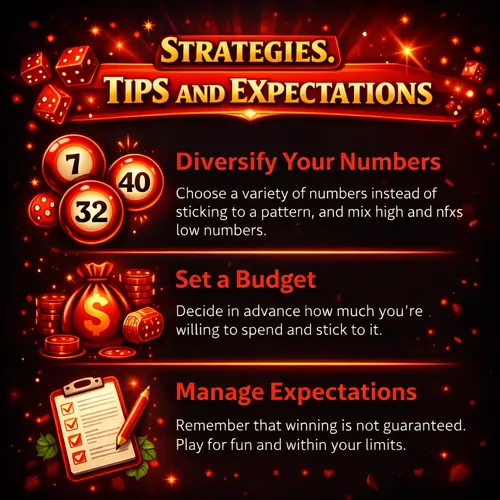
Because Lucky Ball is fundamentally random—whether driven by physical balls or RNG—there is no skill system that can turn it into a positive‑expectation game. What you can control is how you manage your bankroll and which variants you choose.
Bankroll management
- Decide a session budget before you start playing Lucky Ball, especially if you also plan to play Keno, Lotto, or Crash Dice.
- Prefer smaller, more frequent bets over occasional large swings if you want longer sessions.
- Avoid chasing losses by increasing stakes aggressively after a series of misses—a common mistake in fast RNG games.
- Take short breaks between rounds or batches of rounds to keep decisions deliberate instead of impulsive.
These principles are similar to what experts recommend for crash games or high‑tempo slots, where outcomes are rapid and easy to repeat.
Pattern-watching and “lucky streaks”
It is natural to watch recent results and believe certain numbers or patterns in Lucky Ball are “hot” or “cold.” In a properly randomized draw, each new game is independent; while streaks happen, they are not predictable in a way that grants a stable edge.
You can certainly pick favorite numbers, colors, or lines because they make the game feel more personal. Just remember that from a probability standpoint, each eligible outcome is as likely as any other in the same category.
Pros and Cons of Playing Lucky Ball
To decide if Lucky Ball deserves a place in your regular arcade lineup, it helps to weigh its main strengths and weaknesses compared with other games on Asian iGaming.
Advantages
- Engaging visuals: Watching balls draw or drop is inherently satisfying and easy to follow.
- Simple rules: Most versions are straightforward, especially if you already understand bingo or keno.
- Flexible pacing: Live‑draw formats feel event‑based, while RNG versions can run quickly for shorter sessions.
- Good bridge game: Sits nicely between grid‑style number games and purely physics-based arcades like Plinko and Peg Drop.
Disadvantages
- Limited strategy depth: Beyond ticket or bet selection and bankroll management, there is little room for skill.
- Potentially high variance: Depending on multipliers and line mechanics, wins can be streaky, creating stretches of small or no returns.
- RNG misunderstanding: Some players misinterpret streaks as patterns they can exploit, which can lead to overbetting.
If you prefer games where decisions heavily influence outcomes—like poker or deep strategy slots—Lucky Ball may feel more like a fun side game than a main attraction.
The Real Deal?
Lucky Ball is a visually engaging, easy‑to‑learn ball and number game that works well as a bridge between classic draw products and modern arcade experiences. Its biggest strengths are clear rules, satisfying animations, and compatibility with mobile play, making it a natural choice when you want something more dynamic than static number grids but less intense than crash‑style risk spikes.
If you treat Lucky Ball as an entertainment‑first side game, manage your bankroll carefully, and avoid reading too much into short‑term streaks, it can be a fun addition to your Asian iGaming sessions next to Bingo, Mini Bingo, Keno, Lotto, Number Game, Plinko, Peg Drop, Drop Ball, and Crash Dice.
