
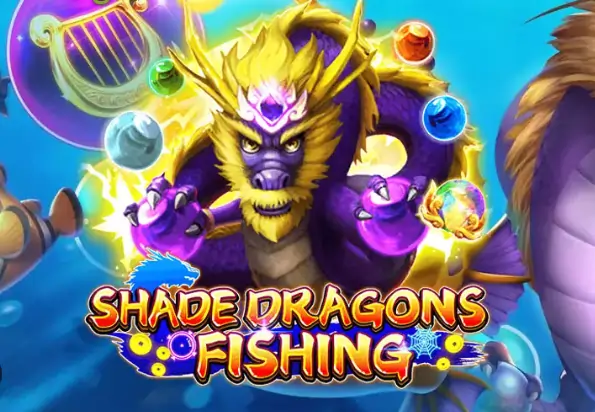
The Ultimate Guide to Shade Dragons Fishing: Master the Deep-Sea Hunt
The landscape of online gaming in Southeast Asia and beyond has undergone a seismic shift in the last few years. Players are no longer satisfied with passive slot reels and one‑click spins; the modern era demands interaction, skill‑feel, and visual immersion that looks and plays closer to a video game than a traditional casino product. Shade Dragons Fishing stands right in the middle of this evolution, combining the thrill of real‑time arcade shooters with the mathematical backbone and payout structure of casino games.
Instead of simply watching symbols land on reels, you sit behind a cannon in a luminous undersea world, firing bullets at waves of fish, sharks, and mythical Shade Dragons that glide across the screen. Every shot is a wager, every hit can become a multiplier, and every boss encounter feels like a mini‑raid where timing and target choice matter.
This blend of action and RNG‑driven outcomes is what makes the title so compelling for both casual players looking for entertainment and high‑stakes strategists chasing dragons in VIP halls.
This comprehensive guide dives into the mechanics, strategy concepts, and psychological hooks that define Shade Dragons Fishing, and places it within the wider “fish hunter” ecosystem alongside seasoned hits like Ocean King Jackpot, celebratory titles such as Fortune King Jackpot, horror‑themed shooters like Fortune Zombie, prehistoric hunts like Dinosaur Tycoon, and sci‑fi battlers such as Star Hunter.
By understanding where Shade Dragons Fishing sits among these games, you can decide which halls to play, how much to bet, and which tactics to use so you’re not just firing blindly into the deep, but making deliberate choices every time a dragon swims into view.
The evolution of fish shooting games
To understand why Shade Dragons Fishing has captured so much attention, it helps to look at its predecessors. Offline, fish shooting games evolved from arcade cabinets in game centers and malls, where players gathered around large screens to compete for fish, bosses, and shared jackpots. Online, games like Ocean King Jackpot set the standard for multiplayer fish shooting on desktops and mobile, bringing that arcade experience into regulated and offshore casino lobbies.
As the genre matured, developers started layering in distinct themes:
- Fortune King Jackpot introduced celebratory, wealth‑and‑prosperity motifs, focusing on Chinese iconography and jackpot mechanics.
- Fortune Zombie brought horror elements and undead enemies to the fish‑shooting formula, turning fish into zombies and bosses into apocalyptic threats.
- Dinosaur Tycoon swapped fish for dinosaurs and mammoths, delivering a prehistoric hunting experience with similar fish‑table math.
Shade Dragons Fishing takes a more mythical, high‑fantasy approach. It keeps the familiar “shoot to catch” mechanics but wraps them in an Asian underwater world filled with dragons, treasure, and dramatic special effects, aimed squarely at players who want something more cinematic and atmospheric than a basic fish pond.
Anatomy of Shade Dragons Fishing
Shade Dragons Fishing is more than clicking on fish; it’s a form of resource management where every bullet is a bet. Your balance is constantly translating into ammo, and your goal is to turn that ammo back into returns by targeting efficiently, timing special weapons, and understanding when to push and when to pull back.
1. The game environment
The game is set in a bioluminescent underwater world with a strong Eastern fantasy influence. Instead of the prehistoric chaos of Dinosaur Tycoon, Shade Dragons Fishing leans into elegance and mystery. Schools of smaller fish and sea creatures share the screen with sharks, armored beasts, and graceful but deadly dragons that can glide across the battlefield or patrol the edges before diving into the center.
The visual design is more than cosmetic. Larger dragons and highlighted bosses are deliberately animated to draw your attention, which can tempt you into firing more bullets than planned if you don’t have firm rules in place for your budget.
2. Multi‑level betting rooms
Most implementations of Shade Dragons Fishing follow a three‑tier room or hall structure that mirrors the progression found in many fish games:
| Room level | Player profile | Core focus |
|---|---|---|
| Entry‑level hall | New or low‑stakes players | Learn pacing, test weapons with small bullets |
| Mid‑tier hall | Intermediate players | Balance between routine wins and dragon hunts |
| High‑stakes hall | Experienced / VIP players | Chase Shade Dragons and Treasure War at higher volatility |
In lower halls, bullet sizes and overall volatility are typically more forgiving, making them ideal for learning the game’s behavior and hit tempo. Higher halls, often marketed as VIP or “dragon” rooms, emphasize bigger possible multipliers and more frequent appearances of powerful dragons, but they also amplify risk and bankroll swings.
Key features and special weapons
In Shade Dragons Fishing, your cannon is your primary tool, and understanding its modes separates random spraying from structured play.
Precision target focus
Many modern fish games, including JDB’s dragon shooters, support targeting tools that help you stick to a specific fish or class of target in crowded screens. While names and UI differ by platform, the principle is the same: you tell the cannon to prioritize a chosen target type so you waste fewer bullets on low‑value fish.
This kind of targeting mirrors what players do in sci‑fi shooters like Star Hunter, where locking onto key enemies prevents your shots from being absorbed by trash mobs. In practice, this improves your effective “shot efficiency” by turning more bullets into hits against creatures that actually matter for your bankroll.
Special attack modes
Shade Dragons Fishing also features powerful special attacks, often described in reviews and promo videos as “cannon modes” that unleash stronger or area‑of‑effect (AoE) shots.
Two commonly highlighted examples are:
- Shark Cannon – A limited set of high‑impact shots (often described as around 30 rounds) that hit harder than normal bullets, ideal for focusing down big fish, sharks, or dragons.
- Depth Charges – Another set of enhanced shots (also commonly around 30 rounds) that act more like explosives, damaging multiple fish and dragons within a certain area and creating chain reactions on busy screens.
While the exact names of beams or orbs can vary across marketing materials and localizations, the core idea is consistent: save your strongest attacks for the right moment, rather than firing them as soon as you receive them.
Decoding the paytable: From minnows to dragons
Like other fish shooting games, every creature in Shade Dragons Fishing has a multiplier or “weight” attached to it, which determines how much you can win if your bullet lands the killing blow.
You can group these into three intuitive categories:
- Low‑tier fish (roughly 2x–10x range) – These are filler fish that appear constantly and die quickly. They won’t make you rich, but they can help you slowly rebuild or maintain your balance during quiet periods while you wait for bigger fish or dragons.
- Mid‑tier sea creatures (roughly 20x–80x range) – These include stronger fish, small sharks, and armored creatures. They require more bullets and some conscious targeting, but they provide respectable medium‑sized hits, especially when you’re using moderate bullets in mid‑tier halls.
- Shade Dragons and high‑end bosses (100x–500x+ and beyond) – These are the namesake targets and headline bosses of the game. When Shade Dragons appear—often with cinematic entrance sequences—they represent the largest regular multipliers you’ll see outside of special modes like Treasure War or jackpot events.
Public materials for Shade Dragons Fishing and its promotions commonly reference:
- A base max reward in the area of 1,800x the stake for the most powerful dragon outcomes.
- A headline maximum win up to 9,000x when certain Treasure War or dragon jackpot conditions are met.
These figures are theoretical maxima; most sessions will consist of many low‑to‑medium wins and only occasional dragon‑driven spikes.
Progressive and event‑driven rewards
Many implementations of Shade Dragons Fishing include “Treasure War” or similar event modes where dragons patrol the sea and can trigger large, event‑style prizes when defeated.
Some setups also use pooled or progressive mechanics, where a portion of bets contributes to a shared pot that can be released during special dragon encounters. While the exact math is operator‑specific and not fully disclosed, the design mirrors mystery or community jackpots seen in other fish games and sweepstakes platforms:
- Each bullet contributes a tiny amount to a background pool.
- Certain events or hits on dragons give one active player a chance to claim that pot.
This is similar in spirit to how progressive elements are handled in other JDB dragon shooters and in related fish titles cataloged by comparison sites, even if the exact Shade Dragons Fishing formula is kept under the hood.
Advanced tactics: Thinking like a pro
To excel at Shade Dragons Fishing, you need to go beyond “spray and pray” habits. Expert players across Asian and global fish‑game communities use tactics that aim to maximize value per bullet and control emotional decisions.
1. The “kill‑steal” mindset
Because Shade Dragons Fishing is multiplayer, you share the fish pool with other players in the room. A common tactic, seen across fish games, is to watch other players invest heavily into a high‑value fish or dragon, then increase your own fire rate once the target appears visibly weakened or close to leaving the screen.
If you land the last hit, you receive the full payout, regardless of who dealt most of the damage beforehand. This “kill‑steal” behavior is inherently part of shared fish‑shooting environments and something you must be aware of both offensively and defensively.
2. Managing bullet paths and coverage
Many fish games allow bullets to travel across the screen even if they miss their intended target initially. While Shade Dragons Fishing doesn’t publicly detail rebound physics, the general fish‑game principle still applies: firing into clustered areas increases your chance of hitting something valuable, while blindly shooting into empty water wastes bullets.
Rather than aiming at nothing, experienced players aim slightly ahead of moving fish and dragons or fire diagonally into dense zones, treating each bullet as a line that might hit multiple potential targets.
3. Handling fish tides and dense waves
Most fish shooters periodically spawn “fish tides”—waves where fish move in organized formations across the screen. During these sequences, it often makes more sense to:
- Use mid‑power bullets to sweep through the formation.
- Focus on hitting as many creatures as possible for consistent returns.
- Avoid dumping your entire budget into a single dragon that might leave mid‑wave.
This pattern helps you maintain a healthier balance so that when a true Shade Dragon or Treasure War event appears, you have enough ammo left to take advantage.
The cultural impact of fish games in global markets
The rise of Shade Dragons Fishing reflects a broader gamification trend in the casino industry, where titles increasingly borrow pacing, visuals, and mechanics from mainstream video games. Arcade‑style gambling hybrids—especially fish table games—combine real‑time aiming, multiplayer competition, and progression‑style features with traditional wagering, offering an experience that feels more like an action game with a bankroll than a classic slot.
Coverage from outlets like iGaming Business (iGB) highlights that this category has become one of the fastest‑growing segments in Asia, driven largely by mobile‑first players who grew up on shooters and MMOs rather than three‑reel machines.
In Southeast Asia, fish hunter games resonate strongly because they echo the social, high‑energy atmosphere of arcade and e‑café culture, while also fitting neatly into short mobile play sessions common in the Philippines, Malaysia, and Vietnam. In Europe and emerging markets in Latin America, fish games are increasingly positioned as “social casino” or “skill‑feel” alternatives that help bridge the gap between video gamers and traditional casino audiences.
As titles like Shade Dragons Fishing, Fortune Zombie, Dinosaur Tycoon, and other themed shooters gain traction, they are reshaping expectations of what a casino game can look and feel like—interactive, multiplayer, and narrative‑driven rather than purely mechanical.
Highlights
- Southeast Asia: Mobile‑first fishing titles dominate, with players in the Philippines, Malaysia, and Vietnam particularly drawn to dragon, zombie, and dinosaur skins that mix local mythology and global pop culture.
- Europe: Fish games are often marketed as part of “social casino” or skill‑feel experiences, introduced alongside slots as an alternative for players who grew up on shooters.
- Latin America: There is growing interest in high‑multiplier boss games like Dinosaur Tycoon, Five Dragons Fishing, and Shade Dragons Fishing, as operators expand their catalogs beyond traditional slots.
By offering interactive aiming, social rooms, and cinematic bosses, Shade Dragons Fishing bridges the gap between Generation Z and millennial gamers—who expect interactivity and progression—and traditional casino players who appreciate clear payout structures and multipliers.
Technical performance and RNG fairness
Technically, Shade Dragons Fishing is built with HTML5, allowing it to run across iOS, Android, and desktop without dedicated client apps. That makes it accessible for players in regions like Southeast Asia, where device types and network conditions vary widely.
On the back end, JDB Gaming uses certified Random Number Generators (RNGs) to decide outcomes, combined with collision detection logic that maps your bullets’ paths onto the visual fish and dragons you see on screen. This means:
- The game can feel like a skill‑based shooter because you aim, fire, and choose targets.
- Underneath, every hit and kill is still governed by RNG, which keeps overall returns within the published RTP range (often around 97%) over large numbers of shots.
This balance between skill feel and statistical fairness is what makes fish shooters like Shade Dragons Fishing viable in regulated and sweeps contexts, while still giving players the sense that their decisions matter.
Compliance, player protection, and responsible gaming
As fish games and dragon shooters grow more popular, responsible gaming frameworks have become crucial. Organizations like the International Center for Responsible Gaming (ICRG) provide research‑based guidelines for operators and developers, encouraging tools like:
- Time‑out and session‑limit features.
- Loss and deposit caps.
- Clear display of RTP, game rules, and volatility.
In the Philippines, the PAGCOR Responsible Gaming initiative sets standards for both domestic and offshore operators, including those offering fish shooting games. These standards aim to ensure that titles like Shade Dragons Fishing are marketed ethically, avoid targeting minors, and offer self‑exclusion paths for at‑risk players.
On a broader level, organizations like BeGambleAware and global RG resources reinforce the message that fish games, despite their arcade look, are still gambling products and should be treated with the same caution as slots or table games.
Conclusion: Why Shade Dragons Fishing stands out
Shade Dragons Fishing succeeds because it hits the sweet spot between accessibility and depth. It’s easy to pick up—you aim, you shoot, you watch dragons explode into coins—but difficult to truly master without understanding rooms, bullet sizing, event timing, and tilt control.
It offers:
- The thrill of the hunt, as you chase dragons with up to 1,800x–9,000x potential in ideal scenarios.
- The social competition of shared lobbies, where kill‑steals and fish tides create constant tension.
- The high‑stakes excitement of a casino game, with RNG and RTP ensuring long‑term fairness while short‑term swings keep every session unpredictable.
By mastering the tools, understanding the paytable from minnows to Shade Dragons, and applying the strategies outlined above, you can transform your time with this game from casual clicking into a more controlled, tactical pursuit of deep‑sea jackpots.
