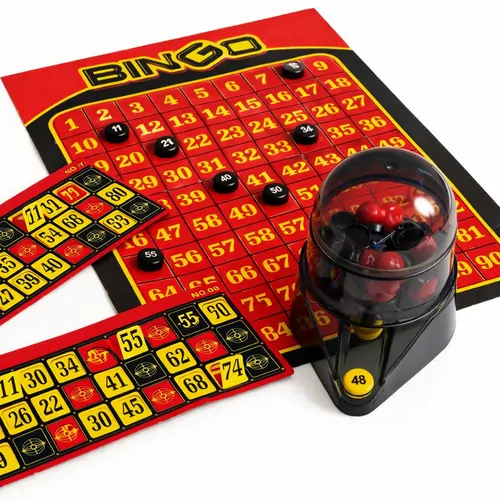
Mini Bingo takes everything you already enjoy about classic bingo and compresses it into fast, snack‑sized rounds that fit perfectly into a modern, mobile‑first session. It keeps the same satisfying loop of watching numbers drop, chasing patterns, and seeing tickets light up—but trims the grids, shortens the calls, and ramps up the tempo so you can finish multiple games in the time it normally takes to play one standard bingo round.
What Mini Bingo Is and Why It Exists
Mini Bingo is the “short form” version of bingo, built for players who want the same rules and feel, but with much quicker results. Instead of the traditional 5×5 bingo card that can take a while to fill, Mini Bingo typically uses smaller layouts and simpler patterns so each round resolves in seconds rather than minutes.
Where classic bingo feels like a full meal, Mini Bingo is the quick snack: light, fast, and easy to fit into a busy day. You still buy tickets, join rooms, and wait for numbers to be called—but the game is tuned for short attention spans, micro‑sessions, and multitasking on mobile. That makes it ideal for players who jump between multiple arcade games and do not want to be locked into long rounds.
Behind the scenes, Mini Bingo still runs on random number generators and follows the same fair‑play principles as standard online bingo. Each call is independent, the patterns are defined upfront, and winnings are credited automatically as soon as a card hits the target pattern. If you want a broader grounding in how online bingo itself works before diving into mini variants, guides like this step‑by‑step breakdown of how to play online bingo or Highlight Media’s beginner’s guide are a handy starting point.
Mini Bingo Layouts: What “Mini” Actually Looks Like
When you hear “Mini Bingo,” the key difference is the card layout. Instead of the classic 5×5 bingo grid you see in traditional 75‑ball games, Mini Bingo usually runs on compact cards such as:
- 3×3 cards – Nine numbers per ticket, very fast to play.
- 4×4 cards – Sixteen numbers per ticket, still quick but with a bit more build‑up.
With fewer numbers on each card, there are simply fewer hits required to complete a line or fill the entire ticket. That is why rounds move so much faster: you are not waiting for a long cascade of calls; a handful of hits can be enough to end the game.
Patterns in Mini Bingo are usually streamlined to match these smaller grids. Common examples include:
- Single line (horizontal, vertical, or sometimes diagonal).
- Simple shapes that are easy to recognize on a small card.
- Full mini card (all 3×3 or 4×4 positions filled) as a top prize.
If you want to experiment with what these card sizes and patterns look like, you can try tools like the My Free Bingo Cards generator or Bingo Baker to generate demo 3×3 or 4×4 cards for practice.
Because the cards are smaller and patterns are simpler, Mini Bingo feels immediately readable on mobile. Even if you are new, you can glance at a 3×3 card and understand what “almost there” looks like without needing a detailed legend.
Visual Cues and “Mini vs Classic”
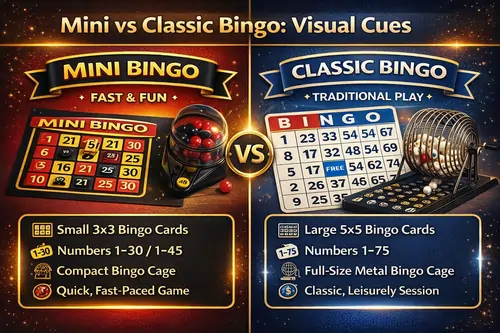
Mini Bingo’s speed puts more pressure on the user interface to keep things clear. Good lobbies lean heavily on visual cues like:
- Auto‑highlighting cards that are closest to winning.
- Bold, colored lines when you complete a pattern.
- Clear counters showing how many numbers away you are from a win.
To make this even more beginner‑friendly on your page, it helps to use simple visuals that compare:
- A classic 5×5 bingo card with a line or full house highlighted.
- A mini 3×3 or 4×4 card with a line and full mini card highlighted.
That “Mini vs Classic” side‑by‑side immediately shows why Mini Bingo rounds feel faster—on the smaller card, one or two fewer calls can be enough to complete a full pattern. It also helps new players understand what they are looking at when they first join a Mini Bingo room and see multiple cards on screen. For complete beginners, visual resources like Keeku’s virtual bingo games guide or Lucky Eagle’s how to play bingo article are useful references that show typical tickets and winning patterns.
Mini Bingo vs. Classic Bingo and Other Arcade Games
Mini Bingo lives between traditional bingo and instant‑resolution arcade games. You still get the thrill of building toward a pattern, but at a tempo that feels closer to crash, drop, or ball‑bounce games.
Here is how Mini Bingo fits alongside the rest of your arcade lineup:
| Game Type | Core Mechanic | Session Length |
|---|---|---|
| Bingo | Mark numbers as they are called, complete patterns | Medium, multiple calls per round |
| Mini Bingo | Faster, compressed bingo‑style rounds | Short, rapid‑fire |
| Keno | Pick numbers, wait for a single number draw | Short, one outcome per round |
| Lotto | Choose numbers for scheduled lottery‑style draws | Long, scheduled results |
| Number Game | Simple numeric range or outcome guesses | Very short |
| Lucky Ball | Ball‑draw arcade/lottery hybrid | Short to medium |
| Plinko | Drop a ball through pegs into prize slots | Very short visual rounds |
| Peg Drop | Peg board drops with fixed outcomes | Very short |
| Drop Ball | Vertical drop into numbered or prize slots | Very short |
| Crash Dice | Climbing multiplier, cash out before it crashes | Very short, high tempo |
In practical play:
- You might use classic Bingo as your main, medium‑pace room.
- Switch into Mini Bingo when you want more rounds and less waiting.
- Jump into Keno or Number Game between Mini Bingo sessions for simple one‑draw outcomes.
- Save Lotto and Lucky Ball for times when you feel like lottery‑style volatility and bigger top prizes.
- Rotate into Plinko, Peg Drop, or Drop Ball when you want physics‑driven visuals rather than number grids.
- Finish with Crash Dice for short, high‑risk bursts before cooling back down with Mini Bingo or classic Bingo.
If you want to see how other real‑money bingo and mini‑style apps position themselves, you can browse offers from long‑running sites like BingoMania or mobile apps such as Bingo Blitz and Bingo Cash. These examples show how shorter formats and power‑ups are marketed alongside classic rooms.
How to Play Mini Bingo: Step‑by‑Step
If you are new to Mini Bingo—or even to bingo in general—the entry curve is gentle. The steps mirror traditional bingo, just with faster pacing.
- Pick a Mini Bingo room
In the lobby, look for rooms specifically labeled “Mini Bingo” or similar. These rooms usually show lower card sizes, faster timers, and small‑to‑medium prize pools designed for rapid turnover. - Set a session budget and choose your stake
Decide how much you are comfortable spending for this Mini Bingo session, and pick a ticket price that lets you play multiple rounds without pressure. Because rounds are short, you can cycle through many games quickly, so setting a firm ceiling at the start is essential. - Select how many mini cards you want
Start with a low number of cards—one to three mini cards is usually plenty while you get used to the pace. You can always scale up later once you are comfortable reading multiple 3×3 or 4×4 grids at a glance. - Check the pattern and prize structure
Before the round starts, look at the pattern icon or rules panel. Most Mini Bingo rooms use straightforward patterns: single line, double line, or full mini card, plus occasional bonus prizes. - Play the round and follow the visuals
When the draw begins, numbers will fire quickly. Auto‑marking will usually keep your cards updated, while the client highlights near‑wins or flashes when you are one number away. Trust those visual cues—they are tailored for Mini Bingo’s speed and make it easier to follow multiple cards. - See the result and decide what’s next
As soon as a winning pattern hits, the round ends and the game shows who won and how much. Your balance updates automatically. Because Mini Bingo rounds are rapid, you can decide immediately whether to stay, adjust stakes, or move to another game.
If you prefer learning via video, short tutorials like this 5‑minute “how to play online bingo” video can help you visualize the steps before you jump into a mini format.
Strategy and Bankroll Management for a Fast Game
Mini Bingo is still a game of chance, but its quick tempo changes how you think about strategy and money management. The main risk is not that the rules are unfair, but that many small rounds add up faster than you expect.
Some practical, realistic tips:
- Start small with both stakes and cards – Fewer cards mean less to track, and lower stakes give you more rounds for the same budget. Once you are fully comfortable with the pace, you can experiment with extra cards or slightly higher stakes.
- Use both money limits and round limits – Instead of only setting a peso limit, also decide how many rounds you will play before you must take a break. This is especially useful for fast formats where “just one more” is always available.
- Avoid chasing losses by ramping up stakes – The temptation to “win it back in the next round” is stronger in fast games because a new chance is always just a few seconds away. Responsible‑play resources such as BeGambleAware and Gambling Therapy recommend pre‑setting limits and sticking to them regardless of short‑term outcomes.
- Treat Mini Bingo as a side dish, not the whole meal – In a healthy session, Mini Bingo works best as part of a rotation: a few quick rounds here, a slower game there, maybe a different genre afterward. Using it as your only game for long periods makes it easier to lose track of time and budget.
If you want more structured advice on bingo strategy in general, articles like How to Win Bingo or Bingo Blitz’s “how to win bingo” guide cover card selection, room choice, and focus in more detail.
Mini Bingo in the Philippines
Mini Bingo is almost tailor‑built for players in the Philippines and across Southeast Asia, where mobile usage is high and many people play in short bursts around work, school, or commuting. Short games, light graphics, and low data usage make it easy to load a few rounds even on mid‑range devices and average connections.
On the payments side, local e‑wallets have historically played a big role in making online bingo and arcade games more accessible. Many popular platforms in the Philippines have, at various points, offered deposit and withdrawal support for GCash and Maya, giving players a way to move pesos in and out without a credit card or traditional bank account. Tutorials from content creators on YouTube—such as how to play BingoPlus using GCash and how to cash in safely—have helped everyday players understand these flows step by step.
At the same time, that very convenience is why it is important to treat e‑wallet funding as part of a carefully planned entertainment budget—not an open tap you refill automatically whenever balance runs low. Recent discussions around regulation and moves to unlink e‑wallets from direct in‑app gambling portals show how closely authorities are watching access and player protection in this area.
From an AEO and NLP perspective, Mini Bingo also aligns with the way players actually search for games. Queries like “fast bingo game PH,” “mini bingo real money mobile,” or “quick bingo with GCash” signal a clear intent: short, local‑friendly, real‑money sessions on mobile. Structuring your content around those ideas—fast rounds, PH relevance, mobile experience—makes it easier for answer engines to match your page to the right audience.
For wider context on the evolution of virtual bingo formats and best practices, you can also look at Keeku’s 2026‑focused virtual bingo guide or Nerdly’s beginner’s guide to online bingo.
Where Mini Bingo Fits in Your Overall Session
In a full arcade‑style lineup, Mini Bingo is your quick‑hit utility game. You can:
- Start in classic Bingo for a medium‑paced, room‑based experience.
- Shift into Mini Bingo when you want more action per minute with familiar rules.
- Rotate into Number Game or Keno for simple single‑draw results.
- Use Lotto and Lucky Ball when you are in the mood for lottery‑style volatility.
- Add visual variety through Plinko, Peg Drop, and Drop Ball when you want to watch balls bounce instead of staring at numbers.
- Finish with a short burst in Crash Dice if you enjoy high‑risk, high‑reward spikes.
Mini Bingo is the bridge between classic bingo and the rest of your arcade toolbox. It is familiar enough to feel comfortable, fast enough to stay exciting, and flexible enough to slot into almost any session—especially if you are playing on mobile from somewhere like Cagayan de Oro and only have a few minutes at a time